
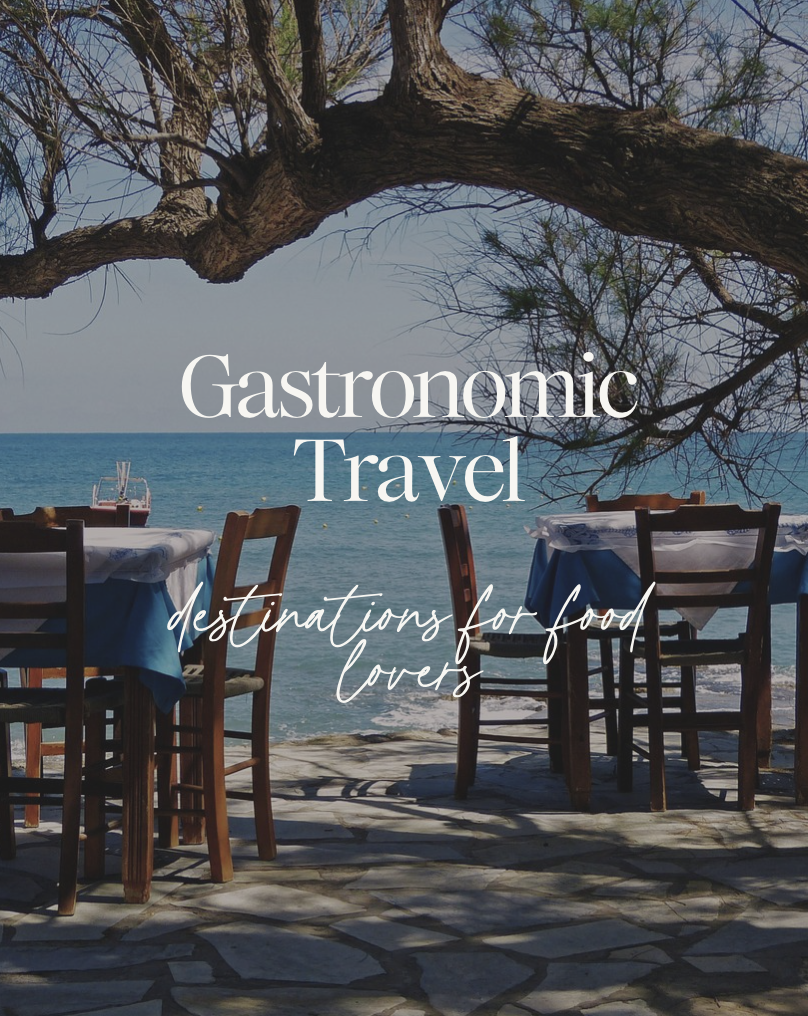
Some destinations stay with you because of what you see. Others stay with you because of what you taste.
A meal can introduce you to a region’s history, landscape and traditions. It does this in a way that few other travel experiences can.
For travelers who plan their trips around memorable meals, choosing the right destination is just as important as choosing the right hotel or itinerary. The world’s great gastronomic travel destinations offer far more than exceptional restaurants. They invite you to meet producers, explore markets, taste regional specialties and understand the culture through its cuisine.
At Bella Vita Travels, food is an important part of how we design a journey. Each of our trips comes with a personalized destination kits. These include our recommendations for restaurants, bars, local specialties and culinary experiences. Ranging from celebrated dining rooms to the small places we think are worth seeking out, they are varied for every type of traveler.
For the next chapter of our gastronomic travel series, we are heading to three destinations where cuisine is deeply intertwined with history, landscape and everyday life: Sicily, Morocco and Greece.
Sicily, Italy
One of Italy’s great gastronomic travel destinations
Sicily is one of those destinations where understanding the food means understanding the island itself.
Greek, Arab, Norman and Spanish influences have all left their mark on Sicilian cooking. A cuisine was created that feels unmistakably Italian while remaining completely its own. Seafood, citrus, pistachios, almonds, tomatoes, eggplant and ricotta all play starring roles. The island’s volcanic landscapes and fertile countryside provide an extraordinary variety of ingredients.
For food lovers, eastern Sicily offers an especially rewarding journey. Follow the slopes of Mount Etna toward Linguaglossa, Randazzo and Bronte before continuing toward Syracuse, Noto, Modica and Ragusa. Along the way, you’ll find volcanic vineyards, pistachio groves, seafood, Baroque towns and some of the island’s most celebrated culinary traditions.
One ingredient to discover along the way is Pistacchio di Bronte. It is cultivated on the volcanic slopes of Etna and used in everything from pastries and gelato to savory dishes.
For the formal experience, Duomo in Ragusa is one of Sicily’s great gastronomic addresses. Chef Ciccio Sultano has built a highly personal interpretation of Sicilian cuisine around the island’s ingredients and culinary history. The restaurant holds two Michelin stars.

But gastronomic travel in Sicily should never be limited to fine dining. In Palermo, explore the markets and try street-food classics such as arancine, panelle and sfincione. In the southeast, seek out a traditional trattoria for handmade pasta, local seafood and seasonal vegetables.
A Michelin-starred dinner, a family-run trattoria and a granita enjoyed at breakfast can all be part of the same Sicilian journey.
Morocco: Northern Africa’s great gastronomic destination
Spice, tradition and hospitality
Morocco is a destination where food is inseparable from the country’s culture of hospitality.
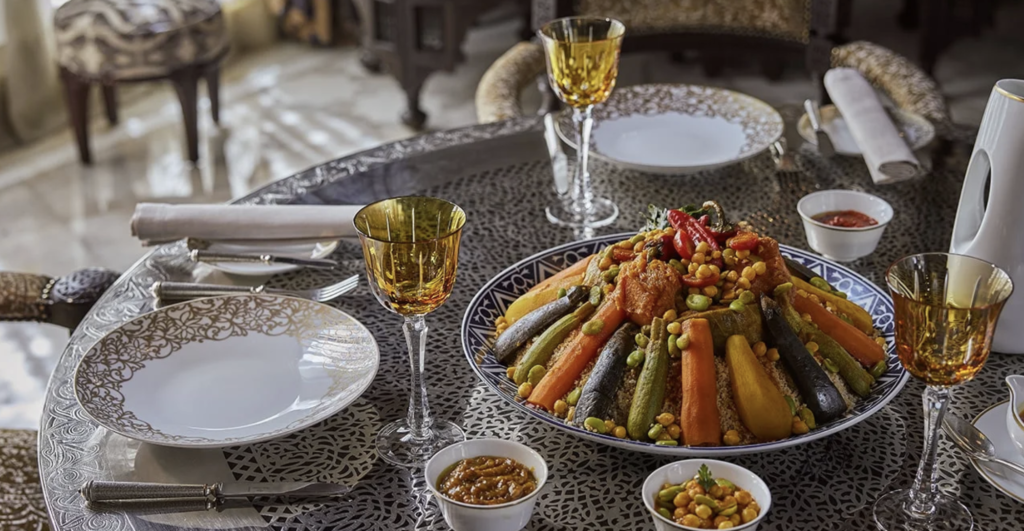
Its cuisine reflects centuries of Berber, Arab-Andalusian and Jewish traditions, resulting in a remarkable combination of sweet, savory, aromatic and spiced flavors. Couscous, tagine, pastilla, harira, grilled meats, salads and traditional pastries form the foundation of Moroccan cooking.
In Marrakech, wandering through the medina can become a culinary experience in itself. Explore the spice stalls, discover local ingredients and stop for traditional mint tea before sitting down to a meal where those same flavors are transformed into something more elaborate.
We also love taking food-focused travelers beyond the city. A private market visit, cooking class or countryside experience can offer a much deeper understanding of Moroccan cuisine.
For the formal experience, La Grande Table Marocaine at Royal Mansour Marrakech offers Moroccan cuisine in an exceptionally elegant setting. Traditional dishes including pastilla, couscous and Moroccan salads are presented at a fine-dining level.
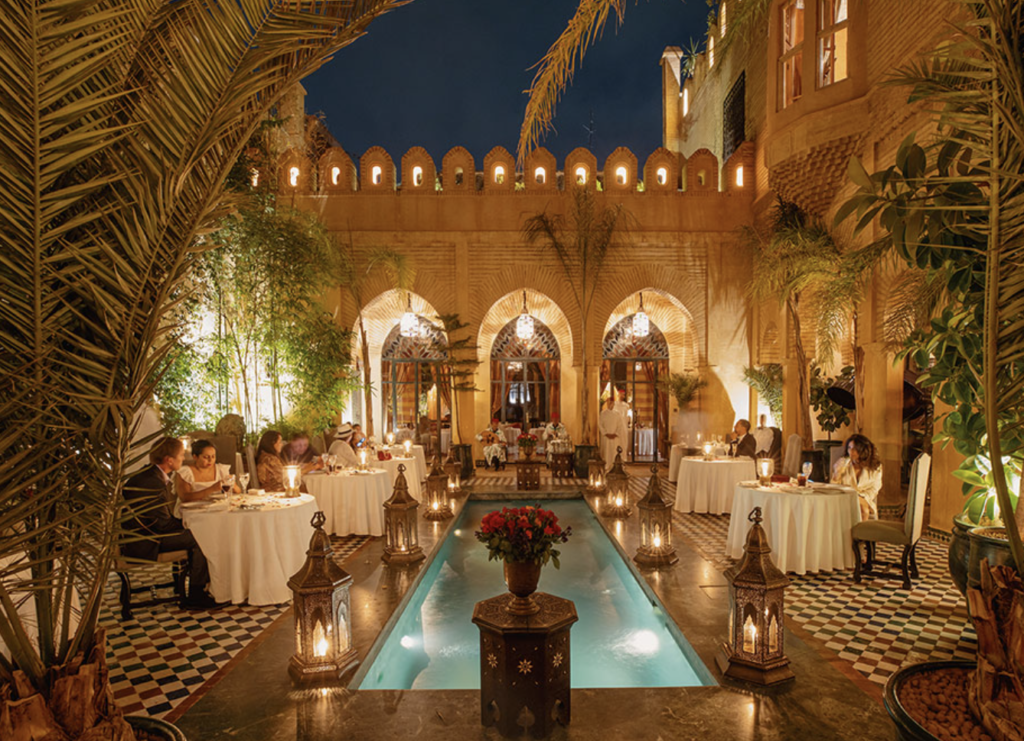
For something more atmospheric, Dar Yacout in the Marrakech medina offers a more traditional experience. Here, dinner is served in the beautifully decorated interiors of a Moroccan riad.
And then there is the ritual of Moroccan tea. Sweet mint tea is not simply something to order after dinner. It is part of the country’s hospitality and a reason to slow down and spend time together.
That is what makes Morocco so rewarding for gastronomic travel. The experience is not simply about discovering new dishes. It is about sharing food, lingering over tea and experiencing the generosity at the heart of Moroccan culture.
Greece
The Mediterranean table
Greece has always been a country where food is closely connected to the land and sea.
Olive oil, fresh vegetables, herbs, grains, seafood, cheeses and seasonal fruit form the foundation of the cuisine. Across the country, regional differences are significant, meaning Greek food is far more diverse than the familiar dishes found on menus around the world.
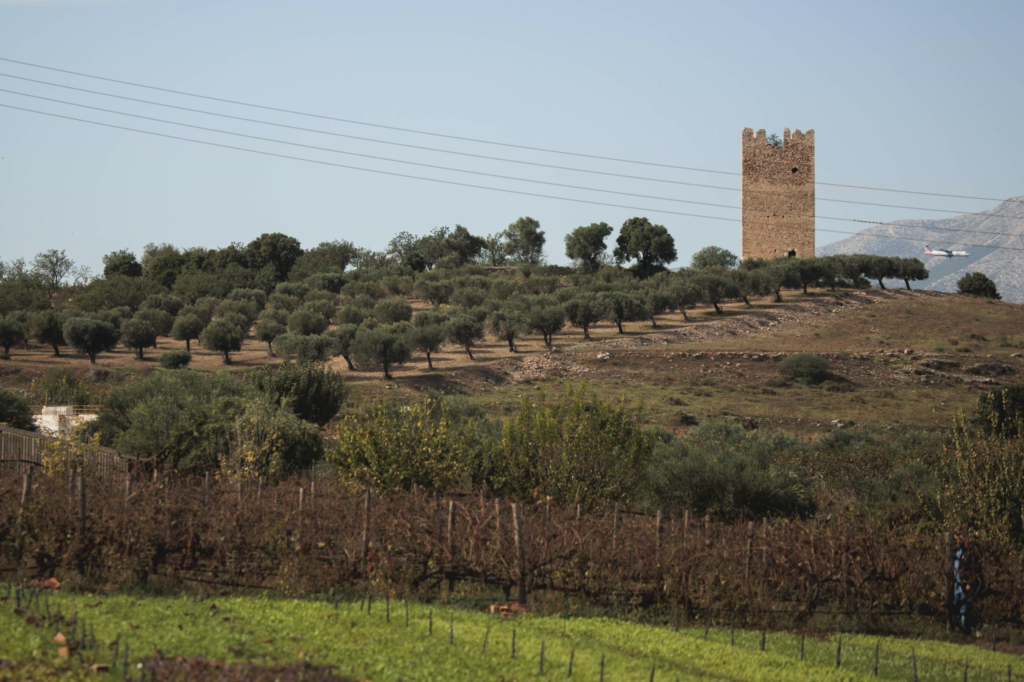
For food lovers, Crete deserves particular attention. Cretan cuisine is rooted in a long culinary tradition, with olive oil, vegetables, beans, herbs, grains and local cheeses remaining central to the diet. Traditional dishes include dakos, wild greens, kalitsounia and slow-cooked meats.
A culinary journey through Crete could include a visit to a family-run olive oil producer, a local winery, a village taverna or a private cooking experience using ingredients sourced nearby.
In Athens, meanwhile, traditional tavernas sit alongside a new generation of chefs reinterpreting Greek ingredients. The result is an exciting food scene that combines the country’s culinary heritage with a more contemporary approach.
For the formal experience, Delta in Athens offers a highly contemporary interpretation of Greek gastronomy and holds two Michelin stars. The restaurant is part of a growing movement bringing Greek ingredients, traditions and landscapes into sophisticated modern dining.
But some of the best Greek meals remain wonderfully simple.
A long lunch at a seaside taverna or a table filled with small plates of meze can be just as memorable as a tasting menu.
That balance is exactly what makes Greece so compelling for gastronomic travel. Sophisticated dining without losing sight of the simple, generous food culture that defines the country.
Travel for the Food, Stay for the Memories
A great culinary journey should never feel like a list of restaurant reservations. The most rewarding food-focused vacations allow you to experience cuisine as part of the destination itself.
It might be a morning spent exploring a market with a local chef, a wine tasting among the vineyards of Mount Etna, learning to prepare traditional Moroccan dishes in a private riad or sharing grilled seafood beside the Aegean. These are the experiences that transform a meal into part of the story of a trip.
At Bella Vita Travels, we look beyond the most obvious recommendations to create journeys that connect you with a destination. From luxury hotels and exceptional restaurants to private guides, producers and local culinary experiences, every detail is selected with your interests in mind.
Because sometimes the best way to discover a destination is simply to sit down at its table.
Ready to plan a journey around food? Let Bella Vita Travels create a culinary experience designed around you.


